

When you feel unexplained tingling, numbness, or subtle weakness, it can be confusing and worrying. These symptoms are often the early warning signs of nerve damage. While it’s easy to dismiss them, early detection often leads to better treatment and prevents irreversible damage. But how do neurology doctors find damage that is often invisible to the eye? Neurologists utilize a suite of advanced diagnostic tools to pinpoint nerve damage in its earliest stages, thereby assisting you in receiving the most targeted care possible.
What Causes Nerve Damage?
Nerve damage, medically termed neuropathy, occurs when nerve cells (neurons) are injured, destroyed, or stop communicating effectively. Identifying the underlying cause is critical, as treatment often involves managing the root issue.
The basic causes fall into four main categories:
- Illness and disease are the most common causes. Chronic diseases like diabetes (diabetic neuropathy) damage nerves due to high blood sugar levels. Other systemic illnesses, including kidney disease, liver disorders, and autoimmune conditions (such as lupus or Guillain-Barré syndrome), can also affect nerve tissue.
- Injury (Trauma/Compression): Physical trauma from accidents or repetitive motions can directly sever or crush nerves. More commonly, nerve damage results from compression, where pressure is placed on the nerve; for example, a herniated disc compressing a nerve root in the spine, or carpal tunnel syndrome compressing the median nerve in the wrist.
- Toxins and Medications: Exposure to heavy metals, certain industrial chemicals, or long-term use of specific medications (especially some chemotherapy drugs) can lead to nerve toxicity and damage.
- Hereditary Conditions: Some neuropathies are genetic, meaning they run in families. Conditions like Charcot-Marie-Tooth disease are inherited disorders that progressively damage peripheral nerves.
The Clinical Evaluation and Neurological Exam
In neurology, the process begins with listening. Before any scans or tests, the neurologist listens carefully to the patient’s story, paying attention to every detail and subtle cue. Each description of a symptom offers insight into the brain’s workings. Listening reveals patterns that technology alone might miss, guiding the path toward understanding and treatment.
A Detailed Medical History
A detailed medical history helps diagnose early nerve issues. Your neurologist will spend a significant amount of time gathering data on your symptoms, lifestyle, family history, and past injuries. Neurologists are trained to listen for subtle patterns, like the specific timing or location of your pain or numbness.
The Neurological Exam
This is a hands-on assessment of key systems, which provides the clues about the location and type of damage:
- Motor Strength: Checking for early signs of muscle weakness or wasting.
- Reflexes: Testing reflexes, which can be diminished or absent when nerve signals are disrupted.
- Sensation: Mapping areas of numbness or altered feeling to determine which specific nerve or nerve root is affected.
Electrodiagnostic Studies
If the clinical exam suggests nerve damage, then tests that measure the electrical activity of your nerves and muscles are often used.
Nerve Conduction Studies (NCS)
NCS tests the speed and strength of electrical signals traveling through your peripheral nerves. Small electrical pulses are applied to the skin, and sensors measure the nerve’s response. NCS measures how quickly an electrical impulse is conducted, directly identifying damage to the protective myelin sheath or the nerve axon. Slowed conduction is a clear sign of damage.
Electromyography (EMG)
EMG assesses the health of the muscles and the nerves controlling them. A fine needle electrode is inserted into a few muscles to record their electrical activity at rest and during contraction.
Visualizing the Damage: Advanced Imaging
While electrodiagnostic tests confirm the presence and location of damage, imaging helps identify the underlying structural cause.
Magnetic Resonance Imaging (MRI)
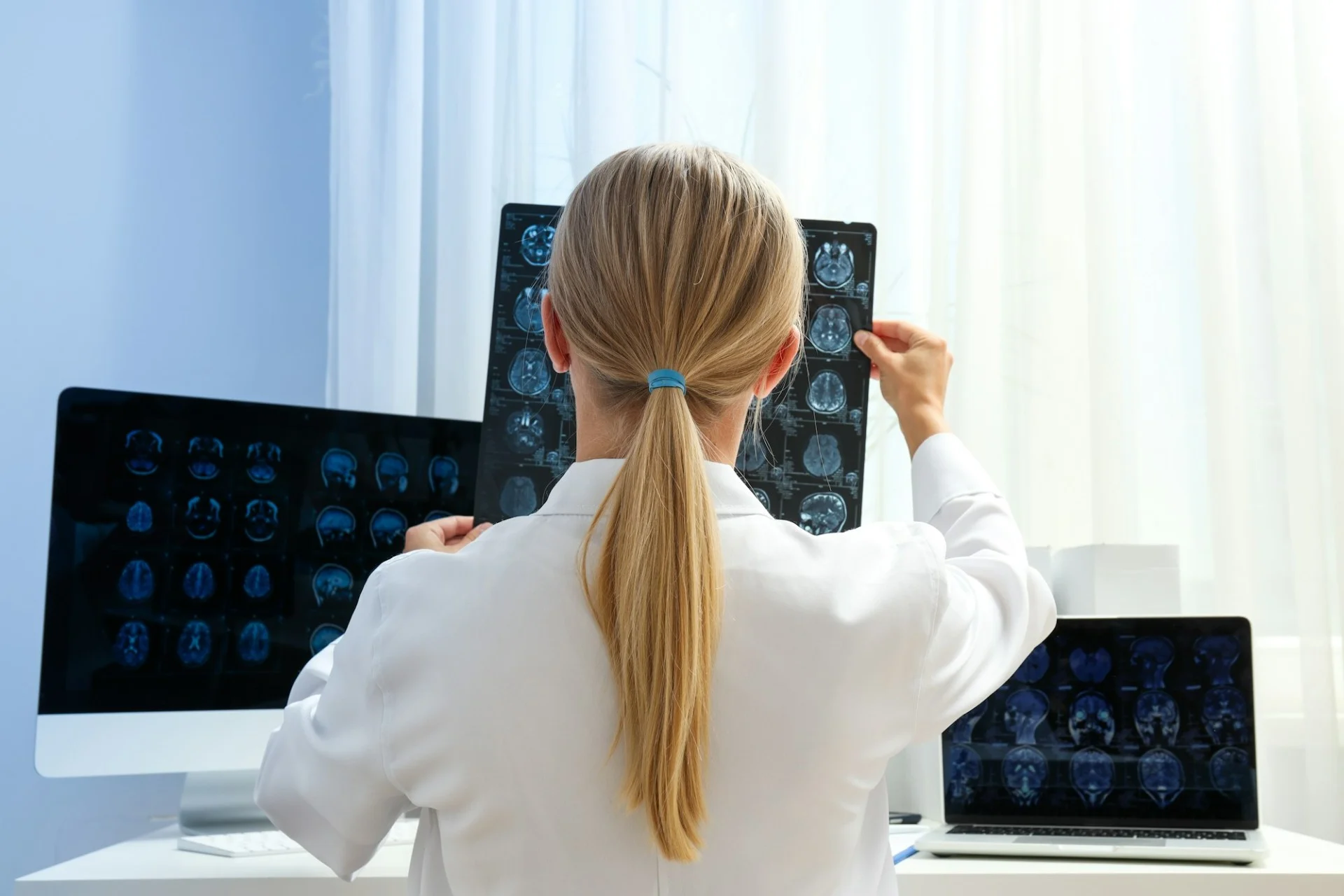
An MRI uses powerful magnets and radio waves to create detailed images of the body. It is vital for ruling out or confirming damage to the Central Nervous System (CNS) (the brain and spinal cord) or identifying structural causes of nerve compression, such as a herniated disc impinging on a spinal nerve root.
Ultrasound
Nerve ultrasound is a growing and non-invasive tool. It provides a real-time, high-resolution view of peripheral nerves. This is often used to diagnose nerve entrapment syndromes, like carpal tunnel syndrome, by visualizing swelling or compression along the nerve’s pathway.
Conclusion: Why Timely Diagnosis Matters
A thorough neurological exam, combined with sophisticated diagnostic tests (NCS, EMG, and imaging), enables neurologists to diagnose nerve damage early, often before significant and permanent disability occurs. The quicker nerve damage is identified, the sooner targeted treatment (which may include physical therapy, medication, or lifestyle adjustments) can begin, leading to better recovery and management.
If you are experiencing persistent or worrying symptoms, don’t wait. Schedule a consultation with Neurocare of Nevada today.
Frequently Asked Questions
Q: Does a nerve conduction study hurt?
A: Most patients describe the feeling as a mild, brief shock or tingling sensation, similar to a static shock. The test may feel slightly uncomfortable but is generally well-tolerated and brief.
Q: Can nerve damage be reversed?
A: It depends on the cause and severity. Damage caused by compression (like a pinched nerve) or certain vitamin deficiencies is often treatable and reversible. Damage caused by long-standing conditions like diabetes is often managed to prevent further progression. Early detection is the key to maximizing the chance of recovery.
Q: How should I prepare for my EMG/NCS appointment?
A: Avoid using lotions, oils, or creams on your skin the day of the test, as these can interfere with the electrodes. Wear loose-fitting clothing that allows easy access to the areas being tested.
Click here to learn more about Dr. Chopra, MD’s qualifications.
Don’t delay your diagnosis. Schedule Your Appointment Today
Disclaimer: The information provided in this blog post by Neurocare of Nevada is for educational purposes only and should not be considered a substitute for professional medical advice, diagnosis, or treatment. Always seek the advice of a qualified healthcare provider, such as Dr.Chopra, MD, with any questions you may have regarding a medical condition.