

Can Muscular Dystrophy Affect Independence Over Time?

Yes. Living with muscular dystrophy can mean having to change how you go about your day. Getting ready in the morning, walking around, or keeping up with work and school may take more effort than before. How soon that happens depends on the person and the type of muscular dystrophy they have. Some manage their
Read More »
How Neurologists Diagnose Common Nervous System Issues
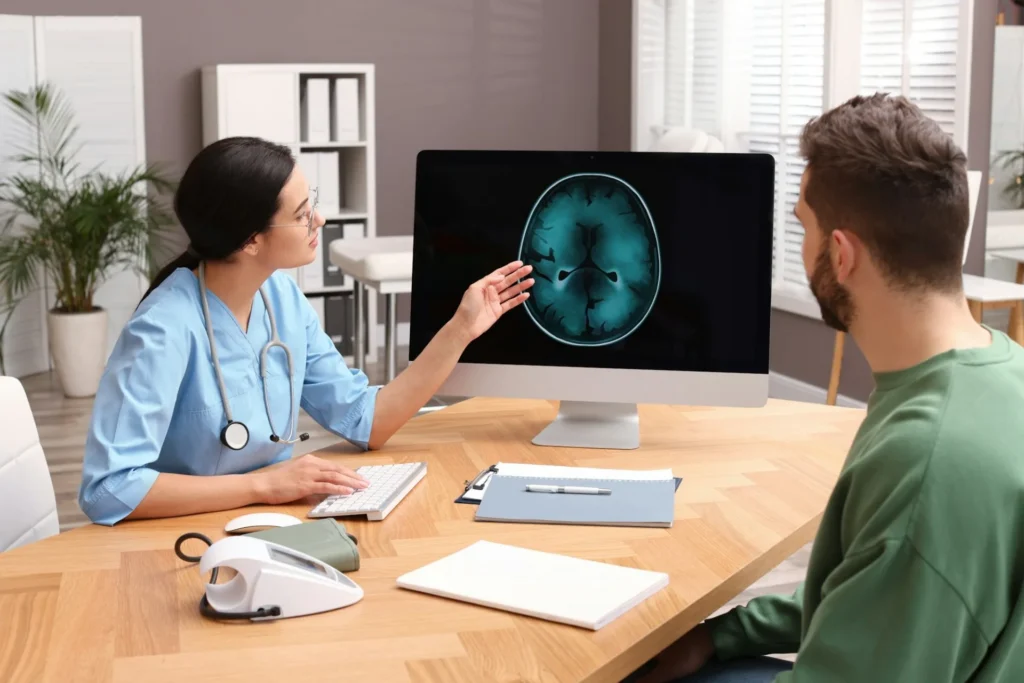
A neurological diagnosis rarely starts with a machine. It starts with a conversation and a physical exam that checks your reflexes, strength, coordination, and senses. Based on the exam, a neurologist decides whether blood tests, imaging, or specialized nerve studies are needed to confirm what’s going on. Key Takeaways A neurological exam checks mental status,
Read More »
What Should You Ask a Neurologist About Nerve Damage?

Suspect nerve damage? Use this list of questions to ask a neurologist, from diagnosis and testing to treatment and warning signs.
Read More »
Neurologists: What They Do and When to See One

A neurologist is a physician who diagnoses and treats conditions of the brain, spinal cord, and nerves, including migraines, seizures, memory loss, and numbness. Schedule a consultation when symptoms are persistent, worsening, or unexplained, since early evaluation typically leads to better long-term outcomes. Key Takeaways Neurologists diagnose and manage conditions affecting the brain, spinal cord,
Read More »
When Should You Start Muscular Dystrophy Treatment

Muscular dystrophy treatment should begin immediately following an official clinical diagnosis, even if initial physical symptoms appear mild. Starting early intervention therapy helps preserve muscle function and mobility, and allows for the timely use of advanced disease-modifying medical options that can slow overall disease progression. Key Milestones in Early Neuromuscular Care Immediate Baseline Evaluation: Securing
Read More »
How Can a Neurologist Help With Severe Migraines

A neurologist provides specialized care for severe migraines by establishing an accurate differential diagnosis, identifying neurological triggers, and prescribing advanced, targeted therapies. Specialist intervention becomes necessary when chronic headaches fail to respond to standard over-the-counter medications or significantly impair a patient’s daily function and overall quality of life. Key Takeaways for High-Yield Migraine Relief Precision
Read More »
5 Migraine Warning Signs You Should Never Ignore

While many view migraines as just severe headaches, they are complex neurological events. Recognizing the difference between a typical episode and a critical medical emergency can save your life. Certain “red flag” migraine symptoms—such as sudden onset, visual disturbances, or localized weakness—demand immediate professional evaluation to rule out serious underlying conditions. What is a Migraine?
Read More »
10 Common Headache Triggers You Should Avoid

If you live with frequent head pain, it often feels like you are walking through a neurological minefield. Identifying your specific headache triggers list—ranging from daily stress and sleep disruptions to environmental factors and specific foods—is the most effective way to minimize attacks. Tracking these variables empowers you to build an actionable prevention plan. Understanding
Read More »
Are Repeated Falls a Sign of an Underlying Problem?

Frequent falls are often a sign of underlying medical issues like balance disorders, peripheral neuropathy, or neurological conditions rather than simple clumsiness. As we age, changes in sensory input and motor control increase the risk of falls. Identifying the root cause is vital for preventing serious injuries and maintaining independence through specialized neurological care. Moving
Read More »
Understanding Memory Loss: When to Seek Expert Advice

We all have “senior moments.” It is perfectly normal to occasionally forget where you placed your car keys or blank on an acquaintance’s name for a second. These instances are often simply the result of a busy brain or minor lapses in attention—not an indication of a medical issue. However, there is a distinct difference
Read More »