

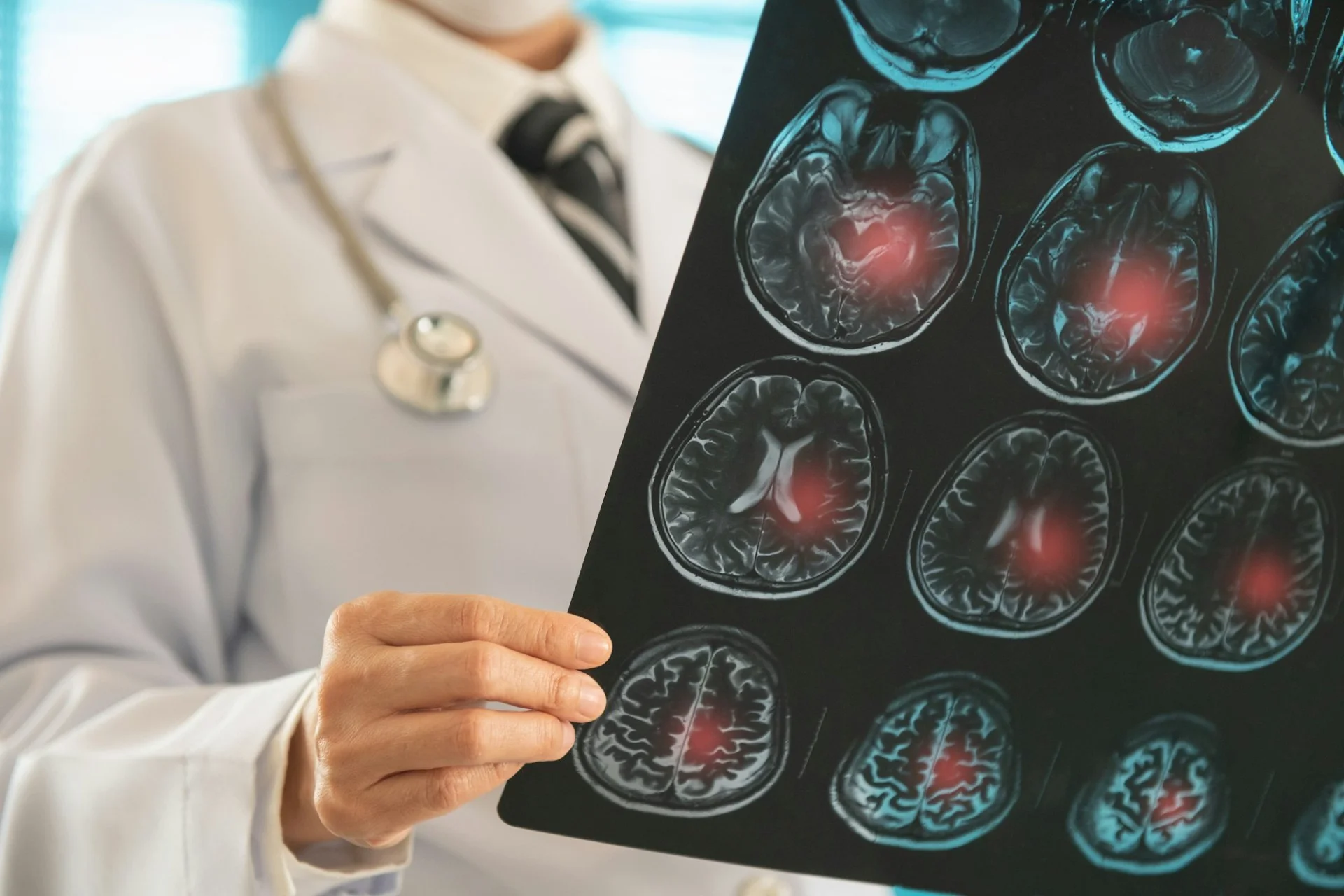
A brain contusion is a bruise on the brain itself, where small blood vessels bleed into the tissue, causing swelling, and it usually shows up on a CT or MRI scan. A concussion is a mild traumatic brain injury that temporarily disrupts brain function, often looks normal on routine imaging, and still needs prompt medical evaluation.
Key Takeaways
- A contusion is a structural injury: bruised brain tissue with localized bleeding and swelling.
- A concussion is a functional injury that changes how the brain works, often without visible damage on a CT scan.
- Both share symptoms such as headache, confusion, and dizziness, so symptoms alone can’t distinguish them.
- Contusions usually require closer monitoring and repeat imaging, because bleeding and swelling can increase in the first hours or days.
- Worsening headache, repeated vomiting, seizures, increasing confusion, weakness, or loss of consciousness after any head injury call for emergency care.
At Neurocare of Nevada, traumatic brain injury evaluation and follow-up care are part of the neurological services offered in Las Vegas.
What Is the Difference Between a Brain Contusion and a Concussion?
A brain contusion is a bruise of brain tissue in which small blood vessels bleed, and the surrounding area may swell. A concussion is a mild traumatic brain injury that temporarily disrupts normal brain function, usually without damage visible on routine imaging, so one injury is primarily structural, and the other is primarily functional.
According to the National Institute of Neurological Disorders and Stroke (NINDS), brain contusions occur when very small blood vessels bleed into brain tissue, often after the head decelerates rapidly, as in a high-speed car crash. NINDS describes a concussion as a type of mild TBI that may be temporary but can take anywhere from minutes to several months to heal.
| Feature | Brain Contusion | Concussion |
|---|---|---|
| Type of injury | Structural bruise with localized bleeding and swelling | Temporary disruption of brain function |
| Routine CT or MRI | Usually visible | Often normal |
| Typical severity | Mild to severe, depending on size and location | Classified as mild TBI |
| Monitoring | Often, hospital observation and repeat imaging | Symptom monitoring, usually at home |
| Recovery | Weeks to months; may need rehabilitation | Days to weeks for most; longer for some |
You can also have both at once. A single impact can bruise one area of the brain and cause concussion-type symptoms at the same time.
How Do Cerebral Contusion Symptoms Compare With Concussion Symptoms?
A concussion and a cerebral contusion can share many of the same symptoms, including headaches, dizziness, nausea, confusion, and trouble remembering things. The differences aren’t always easy to recognize. With a cerebral contusion, someone may also experience weakness on one side of the body, difficulty speaking, or seizures, depending on which part of the brain is injured. Symptoms can sometimes become more severe in the hours following the injury as swelling develops.
Common concussion symptoms include:
- Headaches or pressure in the head
- Feeling mentally foggy or having a harder time focusing
- Feeling bothered by bright lights or loud noises
- Dizziness, unsteadiness, or difficulty keeping your balance
- Trouble sleeping, mood changes, or feeling more irritable than usual
Contusion symptoms may include any of the above, plus:
- Weakness or numbness on one side of the body
- Trouble speaking or understanding speech
- Seizures
- Increasing drowsiness or confusion
- Changes in behavior that build over the first day or two
Because the symptoms overlap, only a medical evaluation can tell the two apart. Someone who seems fine at first can still have a contusion that becomes more apparent over the following hours.
How Is a Traumatic Brain Injury Diagnosed?
Traumatic brain injury diagnosis starts with a history of the injury and a neurological exam that checks vision, strength, sensation, balance, coordination, reflexes, and thinking skills. Imaging, usually a CT scan right after the injury, looks for bleeding, bruising, or swelling, and an MRI can reveal subtler changes later on.
Mayo Clinic notes that a CT scan of the head is the standard test right after an injury and that an MRI may be used to identify brain changes or complications. NINDS adds that MRI is more sensitive and can pick up subtler changes than CT.
Blood testing now plays a role as well. The U.S. Food and Drug Administration has authorized blood tests that measure brain-related proteins to help clinicians evaluate adults with suspected concussion and decide whether a CT scan is needed.
When symptoms linger, follow-up testing helps clarify the cause. Neurocare of Nevada offers in-office EEG to assess brain electrical activity and VNG testing to evaluate dizziness and balance problems linked to the inner ear and brain.
How Do Severity, Monitoring, and Treatment Differ?
A brain contusion can be more serious than a concussion, especially if bleeding or swelling gets worse in the hours following the injury. Doctors may want to keep the patient in the hospital to watch for changes and determine whether additional treatment is necessary. With a concussion, recovery usually involves taking it easy for the first day or two before gradually returning to regular activities as symptoms allow.
Treatment for a brain contusion may include:
- Staying in the hospital so doctors can monitor symptoms and neurological function
- Having another CT scan to check for changes in bleeding or swelling
- Taking medication to manage complications or reduce the risk of seizures, when appropriate
- Undergoing surgery in more severe cases when bleeding or swelling creates dangerous pressure inside the skull
Make the medical wording more patient-friendlyClarify the concussion comparison
Concussion care usually follows a stepwise approach. Mayo Clinic recommends relative rest for the first couple of days, then light physical activity as tolerated, which has been shown to speed recovery.
Avoid contact sports until symptoms resolve and a healthcare professional gives clearance. NINDS warns that a second concussion before the first has healed can cause lasting damage.
What Does Recovery Look Like for Each Injury?
Most people start feeling better within days or weeks after a concussion, but recovery isn’t the same for everyone. Some continue dealing with symptoms for months. A brain contusion can take longer to heal, especially when the bruising is more severe or affects certain areas of the brain. In those cases, rehabilitation may continue for several weeks or months.
For someone recovering from a contusion, treatment might involve physical therapy to help with movement, occupational therapy for everyday activities, or speech therapy if communication has been affected. Memory and concentration problems may also need attention. With a concussion, symptoms such as headaches, dizziness, poor sleep, or trouble focusing may be reasons to see a neurologist, particularly when they aren’t improving.
Concussion recovery can be hard to predict. Two people with similar injuries won’t necessarily feel better at the same pace. Headaches might clear up quickly for one person but linger for months in another. A doctor may consider previous concussions, age, migraines, and mental health history when discussing recovery. Even with that information, it’s difficult to know how long symptoms will stick around. There’s no single test that can give someone an exact recovery date.
If headaches or numbness persist after a head injury, our guide on why headaches and numbness deserve early care explains what to watch for.
Emergency Warning Signs After a Head Injury
Call 911 or go to the nearest emergency department right away if someone who has hit their head shows any of these signs, based on CDC guidance:
- A headache that gets worse and does not go away
- Repeated vomiting
- Seizures or convulsions
- Increasing confusion, restlessness, or agitation
- Weakness, numbness, or decreased coordination
- Slurred speech or unusual behavior
- One pupil is larger than the other
- Loss of consciousness, extreme drowsiness, or inability to wake up
The CDC also notes that, in rare cases, a dangerous blood clot can form and crowd the brain against the skull. Older adults and anyone taking blood thinners should be evaluated promptly, even after a seemingly minor fall.
Frequently Asked Questions
Is a brain contusion worse than a concussion?
Generally, yes. A contusion involves bruised brain tissue with bleeding and swelling, which can expand and may need hospital monitoring. A concussion is classified as a mild traumatic brain injury, though its symptoms can still be disruptive and should be evaluated by a medical professional.
Can a concussion show up on a CT scan?
Usually not. A concussion affects how the brain functions rather than causing visible structural damage, so a CT scan often looks normal. A CT is still commonly ordered after a head injury to rule out bleeding, a contusion, or a skull fracture.
How long does a brain contusion take to heal?
Healing time depends on the size and location of the bruise. Small contusions may resolve over several weeks with monitoring, while larger ones can take months and may require physical, occupational, or speech therapy to restore function.
Can you have a concussion and a contusion at the same time?
Yes. A single impact can bruise part of the brain and also disrupt overall brain function. That overlap is one reason imaging and a neurological exam are important after any head injury with symptoms.
Do I need to go to the ER after hitting my head?
Go to the ER or call 911 for a worsening headache, repeated vomiting, seizures, increasing confusion, weakness, or loss of consciousness. For milder symptoms, such as a lingering headache or fogginess, contact a healthcare professional the same day for an evaluation.
When can I go back to work or sports after a concussion?
Most people return to work or school gradually as symptoms allow, often within days to weeks. Contact sports should wait until you are symptom-free and cleared by a healthcare professional, because a second concussion before healing can cause lasting harm.
Reclaim Your Health. Rediscover Your Life.
Emergency care comes first when warning signs appear. For headaches, dizziness, or fogginess that linger after the ER visit or the urgent care discharge, a neurological follow-up can identify what is slowing recovery.
Schedule a consultation with Neurocare of Nevada, or call (702) 796-8500 if symptoms persist after a head injury.